
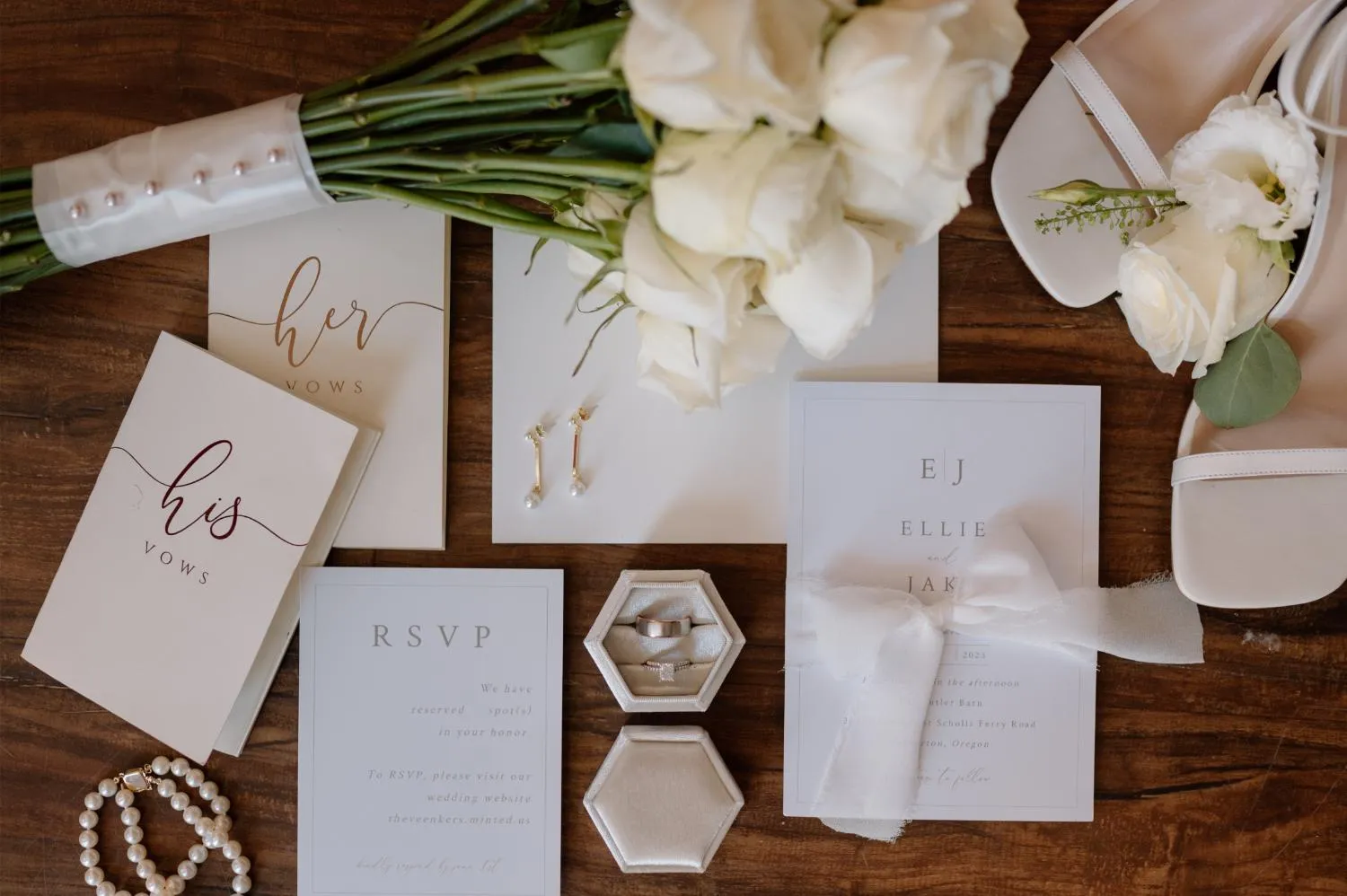
The most seamless wedding receptions happen when one professional serves as both DJ and MC, creating smooth transitions, perfectly timed announcements, and a unified experience where music, formal moments, and guest engagement all work together as part of the same plan.
One of the most overlooked decisions in wedding planning is whether to hire one person as both your DJ and MC or to split the roles between two different people. Couples who separate these roles often discover on the wedding day that the two people are not working from the same plan, that announcements feel disconnected from the music, and that formal moments land awkwardly because the timing coordination between them is off. At DJ Cutt Entertainment, I serve as both DJ and MC for every wedding I work. That unified approach is not a convenience. It is the single most important factor in whether a wedding reception feels seamlessly connected or fragmented.
A wedding DJ manages the music: song selection, volume levels, transitions between tracks, and the overall sonic atmosphere of the reception. A wedding MC manages the crowd: announcements, introductions, directing attention, keeping guests informed about what is happening, and serving as the voice of the celebration. In practice, the best wedding receptions have these two roles performed by the same person.
When the DJ and MC are two different people, every formal moment requires real-time communication between them. Before a grand entrance, the MC needs to confirm with the DJ that the right song is queued and ready. During a toast, the MC needs to cue the DJ to lower the music at the right moment. When a speech runs long, the MC needs to signal the DJ to adjust the next transition. All of that back-channel coordination happens in front of your guests and creates exactly the kind of visible seam that makes a reception feel pieced together rather than unified.
When one person handles both roles, that coordination is internal. The announcement and the music are part of the same thought rather than two people trying to synchronize in real time. The result is a reception that feels effortless rather than managed. Learn more about how we approach every wedding on the About page.
Separating the DJ and MC roles creates a coordination gap between the two people that shows up as hesitation, mistimed music cues, awkward pauses between announcements and songs, and moments where the crowd's attention drifts because the transition from one part of the night to the next is not clean. These gaps are small individually but compound across the full reception.
The most common place this shows up is the grand entrance. The MC builds the crowd's anticipation with the introduction, but if the DJ is not cued precisely at the right beat, the energy deflates the moment the door opens. Even a half-second delay between the end of the announcement and the start of the entrance song kills the momentum the MC just created.
It also shows up during the transition out of speeches and toasts. After a moving father of the bride speech, the room is emotionally charged and ready to carry that energy forward. If the DJ does not feel the room in the same way the MC does, the next music cue lands wrong and the emotional momentum from the speech is lost rather than channeled.
These are not hypothetical problems. They are consistent outcomes when two people are managing two separate parts of the reception without a unified plan and real-time shared judgment.
A good wedding MC does far more than announce names and read from a script. They read the energy of the room continuously, calibrate their delivery to the emotional moment, create genuine anticipation before formal moments rather than just informing guests of what is happening, keep the timeline moving without making guests feel managed, and serve as the voice that connects all the different parts of the night into one cohesive experience.
The difference between an MC who simply reads announcements and one who genuinely hosts is immediately felt by every guest in the room. A scripted MC announcement sounds like a voice-over. A DJ who is also serving as MC sounds like a person who is genuinely present in the room and invested in the night.
Grand entrance introductions, first dance setup, toast transitions, cake cutting announcements, and dance floor openings all require reading what is happening in the room at that moment and calibrating tone, energy, and pacing accordingly. That calibration is only possible for someone who has been managing the atmosphere all night, which is exactly why the DJ and MC role belong to the same person.
Visit our music page to understand how music planning and MC scripting work together as a unified plan at DJ Cutt Entertainment.
When the same person manages both music and announcements, every formal moment is a coordinated sequence rather than two people trying to sync in real time. The announcement, the music cue, the energy build, and the transition out all flow as one connected action. That seamlessness is felt by every guest even when they cannot explain why the moment landed so well.
Consider the first dance. A unified DJ and MC builds anticipation with the introduction, starts the song at exactly the right moment to match the energy of the announcement, manages the volume and atmosphere throughout the dance, and transitions cleanly to the next moment in the timeline without any pause or confusion about what happens next. Every part of that is a single person making connected decisions.
Now consider the same moment with a separate DJ and MC. The MC finishes the introduction and gives a visual signal to the DJ. The DJ processes the signal and starts the song. If the DJ was watching the turntables rather than the MC, the signal gets missed or delayed. The couple stands in front of their guests waiting for music that has not started yet. Even a three-second delay in this moment is visible and uncomfortable for the entire room.
A good wedding MC sounds warm, natural, and genuinely present in the room rather than like someone reading from a script in front of a microphone. They sound like a person who knows the couple, cares about the night, and is talking to guests rather than at them. Energy calibrates to the moment: quieter and more intimate for emotional moments, more energetic and celebratory when building to big moments.
The easiest way to evaluate a DJ's MC ability is to hear them work. Ask for video footage of grand entrances, formal dance introductions, and toast transitions. A DJ who cannot provide this material either has not been capturing their work or is not confident enough in it to share it.
The microphone presence you want for your wedding MC is the same quality you notice in the best moments at weddings you have attended as a guest: something that adds to the moment without calling attention to itself, that makes you feel informed and included rather than directed and managed.
How Does a Unified DJ and MC Improve Dance Floor Energy?
A DJ who is also serving as MC can use microphone moments strategically to build dance floor energy at the right points rather than relying entirely on music to do that work. A well-placed crowd address at the right moment can bring guests to the floor more effectively than any song selection alone. When the same person controls both tools, they deploy them together rather than in isolation.
This is one of the most underappreciated advantages of the unified DJ and MC approach. Most couples think about the MC role in terms of formal announcements and most think about the DJ role in terms of music. The most effective use of the MC role during the dance floor portion of the evening is not formal announcements at all. It is brief, genuine crowd engagement that creates connection and momentum.
A DJ who has been managing the room's atmosphere all night has the information needed to make those crowd engagement moments land correctly. They know which guests are on the floor, which ones are hovering at the edges, and what the room needs to tip over into full engagement. A separate MC who has been standing at the side of the room all evening does not have that information in the same way.
Event lighting is a third tool that works alongside music and MC moments to build and sustain dance floor energy. A unified DJ and MC who also manages event lighting shifts can deploy all three simultaneously at key moments, creating a reception experience that is genuinely greater than the sum of its parts.
A unified DJ and MC manages the entire reception timeline as a single connected plan rather than two separate people trying to coordinate across it. They track the timeline continuously, adjust in real time when something runs long or short, communicate with the planner and photographer from a single point of contact, and make transitions happen smoothly without requiring back-channel coordination between two vendors.
The timeline management function is where the unified approach delivers some of its clearest practical benefits. When the photographer needs two more minutes before the cake cutting, one person can hold the room with music and a brief MC moment rather than requiring the MC to tell the DJ to extend the current song while the DJ tries to figure out what is happening.
When a speech runs significantly longer than planned, one person can adjust everything downstream: music timing, subsequent transition cues, vendor notification. That adjustment happens immediately and invisibly rather than requiring a conversation between two people who are both in front of guests.
At DJ Cutt Entertainment, every reception timeline is built and managed as a unified plan that accounts for both the music and the MC moments from start to finish.
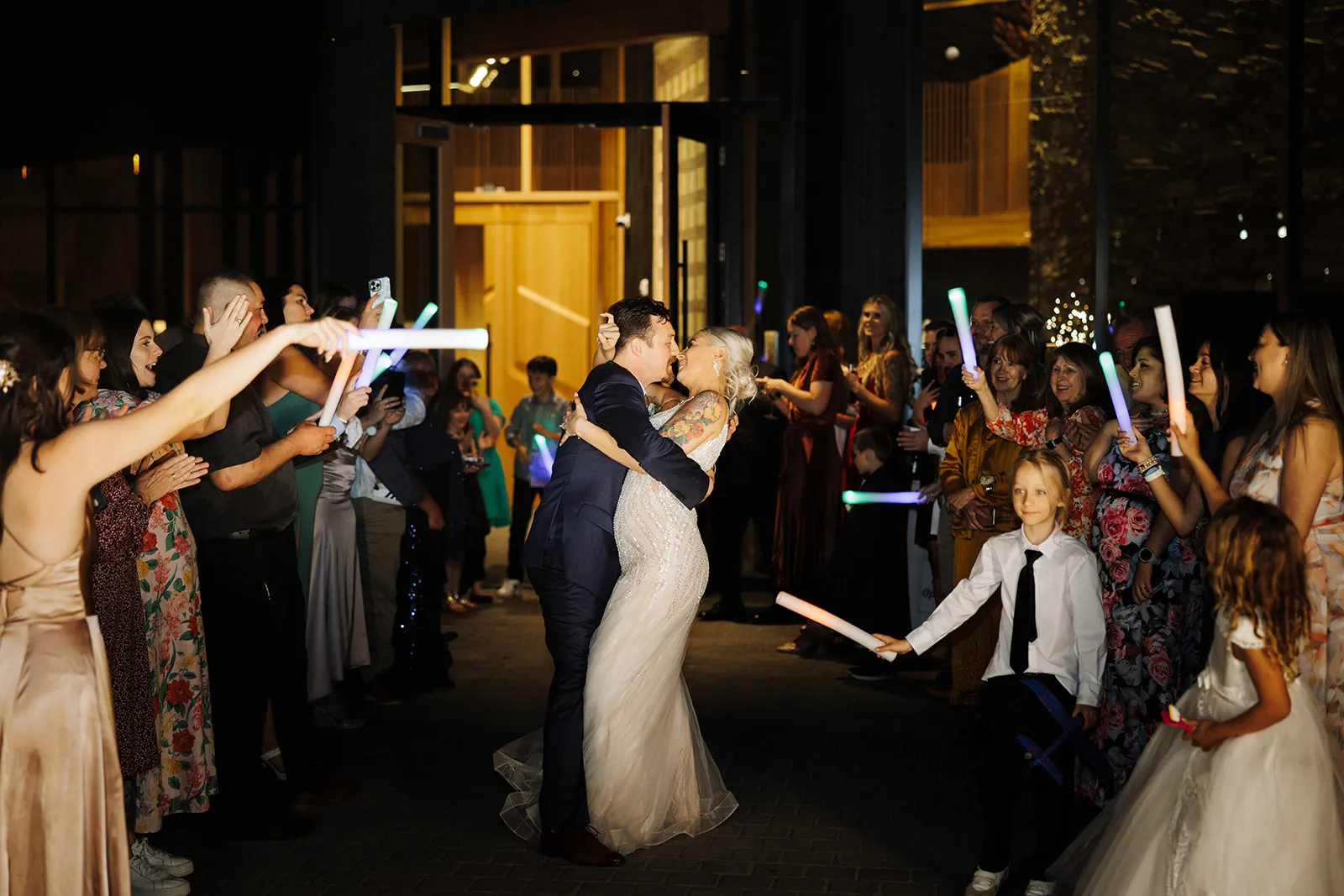
A wedding planner manages the logistics and vendor coordination of the day but is not the voice of the celebration for guests. The MC role is specifically about guest-facing communication: building anticipation, directing attention, making formal moments feel significant, and keeping everyone informed and engaged throughout the night. These are different jobs and a strong planner does not replace a strong MC.
A wedding planner and a unified DJ and MC work together rather than one replacing the other. The planner manages what is happening behind the scenes and keeps the vendor team aligned. The DJ and MC manages what guests experience in real time. Both are essential and neither substitutes for the other.
Where confusion arises is when couples assume that a planner who is visible and communicative on the day of the wedding is serving the MC function. A planner whispering in the DJ's ear about the next transition is doing their job. A DJ who is also serving as MC takes that information and translates it into a seamless guest experience rather than requiring the couple to manage the communication chain themselves.
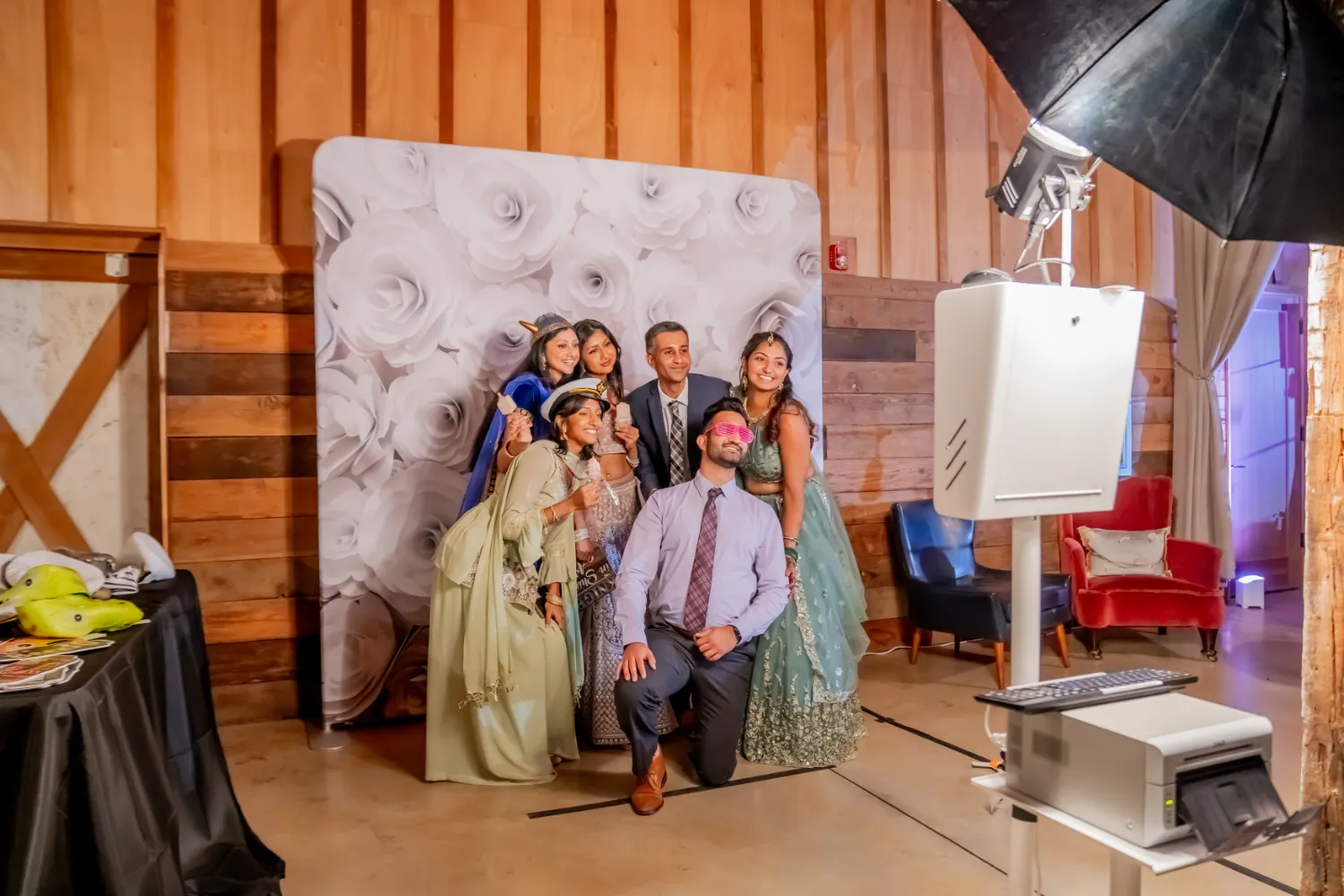
Cold Sparks, Dancing on Clouds, and a photo booth all require the same kind of unified coordination between announcement, music cue, and effect timing that is most naturally managed by a single person who controls all three.
Ask to hear video examples of their grand entrance introductions and formal dance announcements, ask them to describe how they handle a toast that runs significantly longer than planned, ask what they sound like when they need to redirect a crowd's attention mid-reception, and ask what their approach is to crowd engagement during the dance floor portion of the evening.
These questions reveal whether a DJ thinks of the MC role as an add-on service or as a core part of what they do. A DJ who answers these questions confidently and specifically with real examples has internalized the MC role as integral to how they work. A DJ who hesitates or gives generic answers is telling you the MC function is an afterthought.
Explore private event DJ services for a full picture of how DJ Cutt Entertainment approaches the combined DJ and MC role across different event types.
At DJ Cutt Entertainment, the DJ and MC role are never separated. Every wedding I work, I serve as both the music director and the voice of the celebration from the first ceremony cue through the last song of the night. That unified approach is what produces a reception where every formal moment lands, every transition feels clean, and every guest experiences the night as one connected celebration rather than a series of separate events.
Book Your DJ and MC Consultation Tell me your date, your venue, and the kind of reception experience you want to create. We will build a unified music and MC plan around your specific vision.
Not ready yet? Browse the photo gallery to see how the unified DJ and MC approach comes together at real Oregon and Washington weddings, or visit our music page to understand how music planning and MC scripting work together at DJ Cutt Entertainment.
Yes, in almost every case. When the same person manages both music and announcements, formal moments flow as unified sequences rather than two people trying to synchronize in real time. The coordination gaps created by separate DJ and MC operators show up as hesitation, mistimed music cues, and awkward transitions that are visible to every guest throughout the reception.
2.What does a wedding MC do during the reception?
A wedding MC makes announcements, introduces formal moments, builds anticipation before grand entrances and first dances, keeps guests informed about what is happening, manages crowd engagement during dancing, and serves as the voice that connects all parts of the night into a cohesive experience. The MC role requires continuous reading of the room's energy and calibrating delivery to each moment.
3.What is the difference between a wedding DJ and a wedding MC?
A wedding DJ manages music: song selection, transitions, volume, and the sonic atmosphere of the reception. A wedding MC manages crowd communication: announcements, introductions, directing attention, and keeping guests engaged. In the best wedding receptions, these two roles are performed by the same person so that music and announcements are part of a single unified plan rather than two separate operations.
4.What should a wedding MC sound like?
A good wedding MC sounds warm, natural, and genuinely present in the room rather than like someone reading from a script. Their tone calibrates to the moment: quieter and more intimate for emotional moments, more energetic when building to big celebrations. The best way to evaluate MC ability is to hear video examples of grand entrance introductions and formal dance announcements rather than relying on a description.
No. A wedding planner manages logistics and vendor coordination behind the scenes. The MC role is specifically about guest-facing communication: building anticipation, directing attention, and making formal moments feel significant. These are different jobs and a strong planner does not substitute for a strong MC. Both roles serve the reception but from entirely different positions.
Ask for video examples of grand entrance introductions and formal dance announcements. Ask how they handle a speech that runs significantly longer than planned. Ask what their approach is to crowd engagement during the dance floor portion of the evening. A DJ who answers these questions confidently with specific examples has internalized the MC role as core to their work rather than an afterthought.
All in one service
Ready to talk details? Click one of the buttons below. Dates fill quickly, so don't wait to secure premier wedding entertainment!
Click "Book With Us" to check availability for a specific date
Get a customized price quote for your event.
Portland's most experienced wedding entertainment team
DJ Cutt Entertainment has been voted Best Wedding DJ by WeddingWire and The Knot. With over 20 years of experience creating incredible wedding moments, we serve Portland, Hood River, Oregon Coast, and throughout the Pacific Northwest.
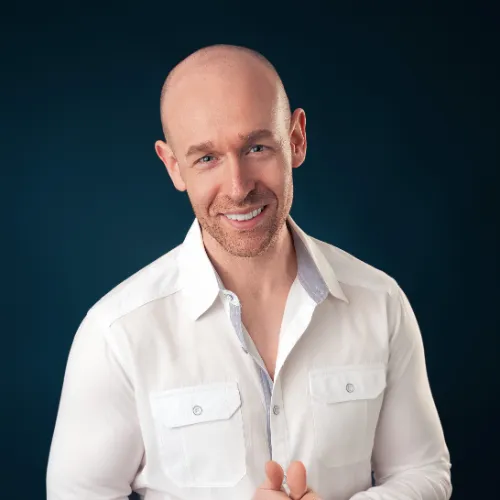
I’m Alex Ramey, owner of DJ Cut Entertainment, and for the past 15 years I’ve had the privilege of working in the wedding industry, helping couples create celebrations that feel personal, seamless, and unforgettable. Over the years, I’ve seen firsthand how the right entertainment, thoughtful planning, and experienced guidance can shape the entire wedding day experience. As a writer, my goal is to help clients and future brides make better buying decisions before their wedding day, so they can invest wisely and avoid common mistakes. Through these blogs, I share what I’ve learned from years of real wedding experience to give couples honest insight, practical advice, and the confidence to create a wedding that feels authentic, fun, and meaningful.
.webp)
.webp)
.webp)
.webp)
%20(1).webp)
.webp)
.webp)