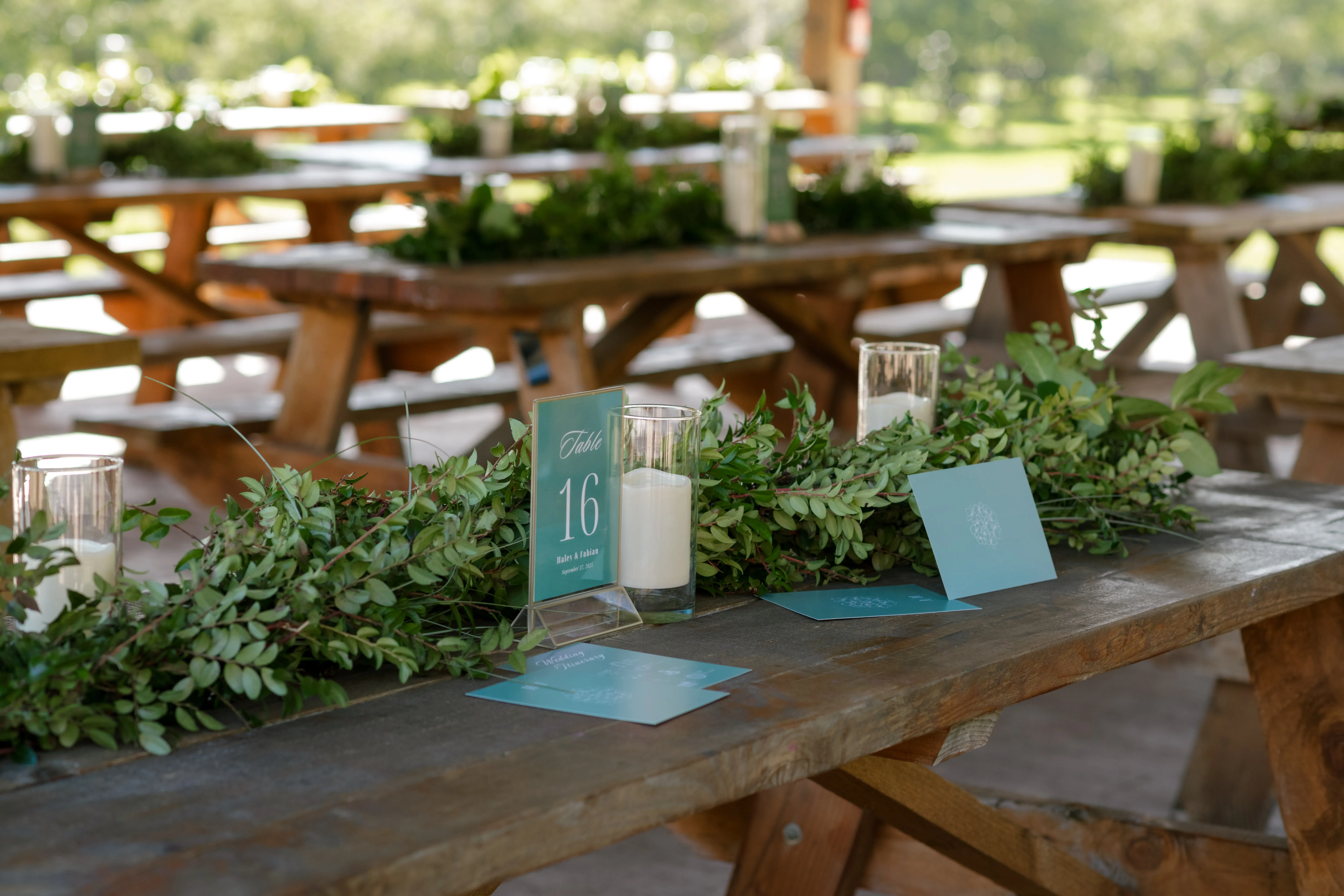
Wedding dinner music sets the tone for a relaxed, connected reception by keeping the energy warm and ambient while still allowing guests to comfortably talk and enjoy their meal.
Music has the power to take a wedding day from beautiful to genuinely unforgettable. From the moment guests arrive through the final dance, the right music in the right moment shapes how people feel without them ever having to think about it. Wedding dinner music is one of the most overlooked parts of that equation. It is not about filling silence. It is about holding the room in a comfortable, connected atmosphere while guests settle in and conversations deepen. At DJ Cutt Entertainment, I work with couples across Oregon and Washington to make sure every phase of their wedding music, from ceremony through reception, feels intentional rather than improvised.
Music connects people to moments in a way nothing else does. On a wedding day specifically, the right music builds anticipation during the ceremony, keeps energy steady during cocktail hour and dinner, and creates the momentum that carries guests onto the dance floor. When music is working correctly, guests feel it without noticing it. When it is wrong, they feel that too.
Every phase of the day has a different emotional requirement. The ceremony needs music that builds and releases tension at exactly the right moments. Cocktail hour needs something warm and social that fills the space without pulling focus. Dinner needs something present but restrained enough to let conversation happen naturally. The dance floor needs energy that builds in layers rather than spiking and fading.
These are not just playlist decisions. They are pacing decisions that affect how the whole day feels from beginning to end. A professional wedding DJ brings the experience to understand what each phase needs and the judgment to read the room and adjust in real time. Learn more about how we approach every wedding on the About page.
Wedding dinner music should feel present without being intrusive. The goal is an atmosphere where guests can hold a comfortable conversation at a normal speaking volume while the room still feels alive and warm. Too loud and conversations feel like effort. Too quiet and the room feels empty. The sweet spot is music that people are aware of but not focused on.
The right style depends on the tone of your wedding overall. A formal or classic reception pairs naturally with acoustic covers, jazz standards, classical instrumental pieces, or light orchestral selections that feel elegant without demanding attention. A more casual or modern celebration works well with contemporary pop, indie acoustic sets, or genre-specific playlists that reflect the couple's actual taste rather than a generic "wedding dinner" feel.
The most important technical consideration is volume. Dinner music that requires guests to raise their voices to be heard across a table is dinner music that is too loud, regardless of the song choice. The volume level matters as much as the songs themselves.
Visit our music page to get a sense of how we plan music selections and volume levels for each phase of a wedding day.
Wedding ceremony music should guide emotion at each transition rather than standing out as a separate element. The processional, bridal entrance, and recessional each need specific pacing and emotional weight. The songs should feel meaningful to the couple rather than defaulting to expected standards, though traditional choices still work well when they fit the tone.
Common ceremony music phases to plan include pre-ceremony background music as guests are seated, the wedding party processional, the bridal entrance, any unity ceremony or special moment music, and the recessional. Each of these serves a different emotional purpose.
Some enduring ceremony classics include "Canon in D" by Pachelbel for the processional and "Trumpet Voluntary" by Jeremiah Clarke for the bridal entrance. The recessional traditionally calls for something more celebratory, like Handel's "Hallelujah Chorus" or a contemporary song the couple loves. But modern couples increasingly personalize every cue, and there is no rule requiring traditional choices.
Outdoor ceremonies introduce variables including wind, ambient sound, and the challenge of even audio coverage across a larger open area. A professional DJ with outdoor experience plans for these specifically rather than discovering them on the day.
Cocktail hour music should feel social and warm without leading the room. The goal is creating an atmosphere where conversations start naturally, guests move freely between groups, and energy stays steady without needing to be pushed. Music that feels too curated or too attention-seeking during cocktail hour works against the organic social energy the phase is meant to produce.
Good cocktail hour music choices lean toward familiar but not too obvious. Jazz standards, acoustic covers of contemporary songs, Bossa nova, and ambient indie all create the right kind of background presence. Avoid music with strong hooks or heavy bass that pulls listeners' attention away from conversation.
This is also where the transition between ceremony and reception begins to take shape emotionally. Guests have just experienced the most intimate part of the day and are now releasing that energy into a more social mode. Music that matches that shift supports the transition. Music that ignores it creates a jarring gear change.
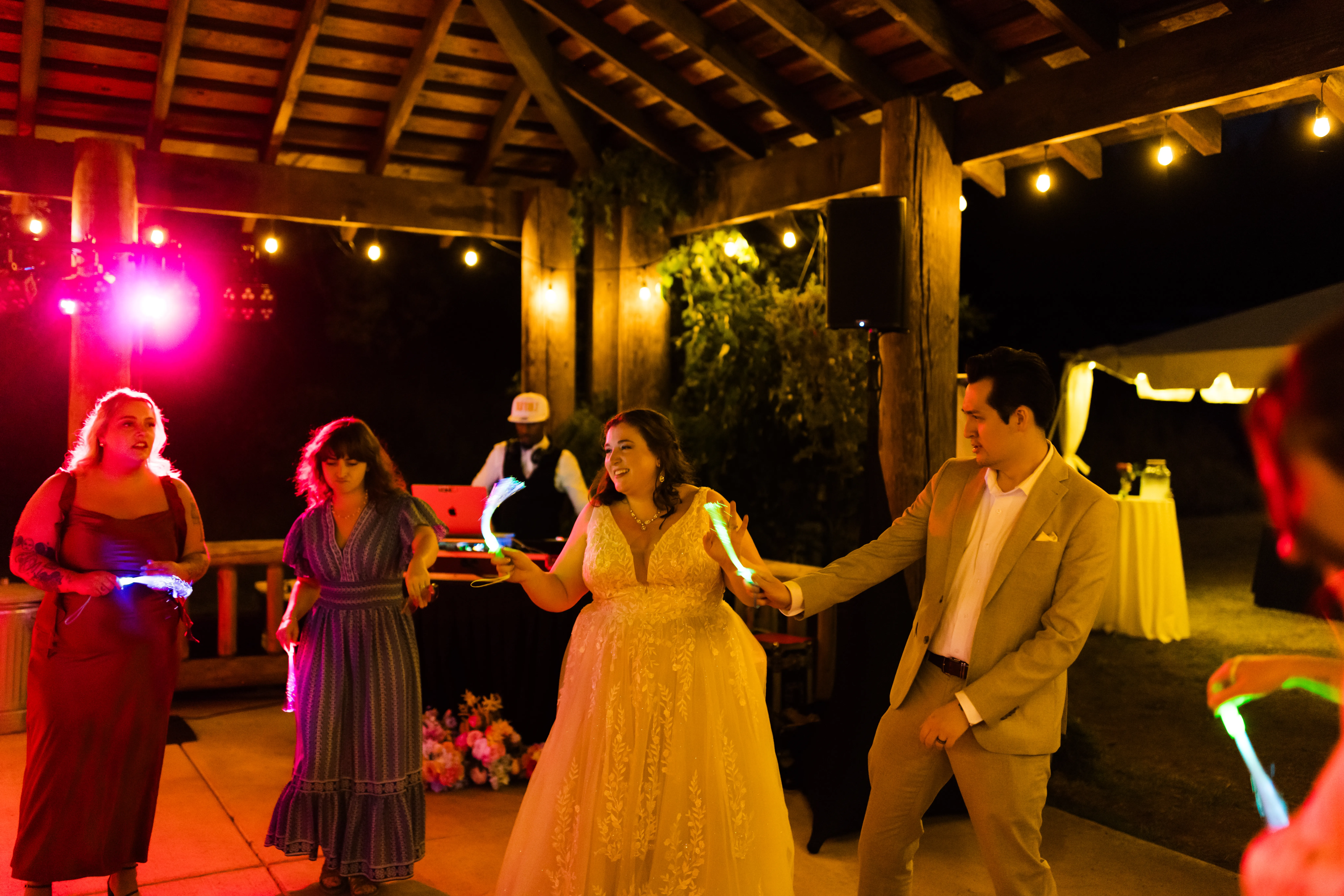
Wedding reception music needs to serve multiple guest demographics simultaneously and build energy in layers throughout the evening rather than starting at full intensity. Classic love songs, upbeat dance music, slow dance moments, and culturally meaningful selections can all coexist in a well-planned reception set when the transitions between them are handled correctly.
The practical approach to reception music planning involves thinking in phases rather than individual songs. Dinner and speeches require the same restrained presence as cocktail hour. The grand entrance and first dance need specific individual songs that carry emotional weight. Parent dances, cake cutting, and any special moments each have their own requirements. Open dancing then builds from an accessible opening that brings different guest ages onto the floor before gradually shifting toward more energetic territory.
A strong reception set considers the guest demographics honestly. A mix of generations requires a mix of eras. If guests range from college friends to grandparents, the music plan needs to include moments that connect with each group rather than committing entirely to one style.
Explore event lighting options that work alongside music to guide the reception atmosphere as the evening evolves from dinner into dancing.
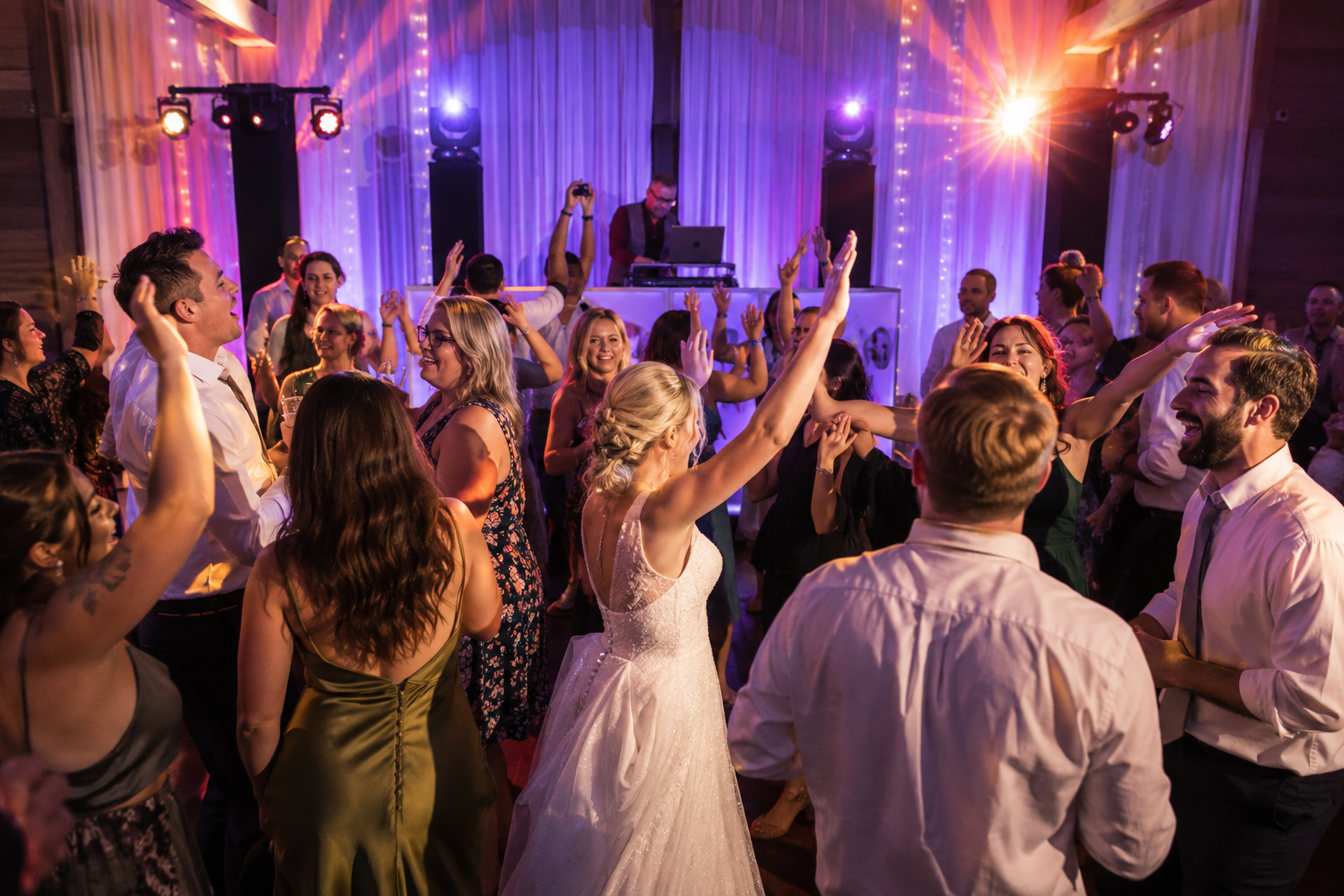
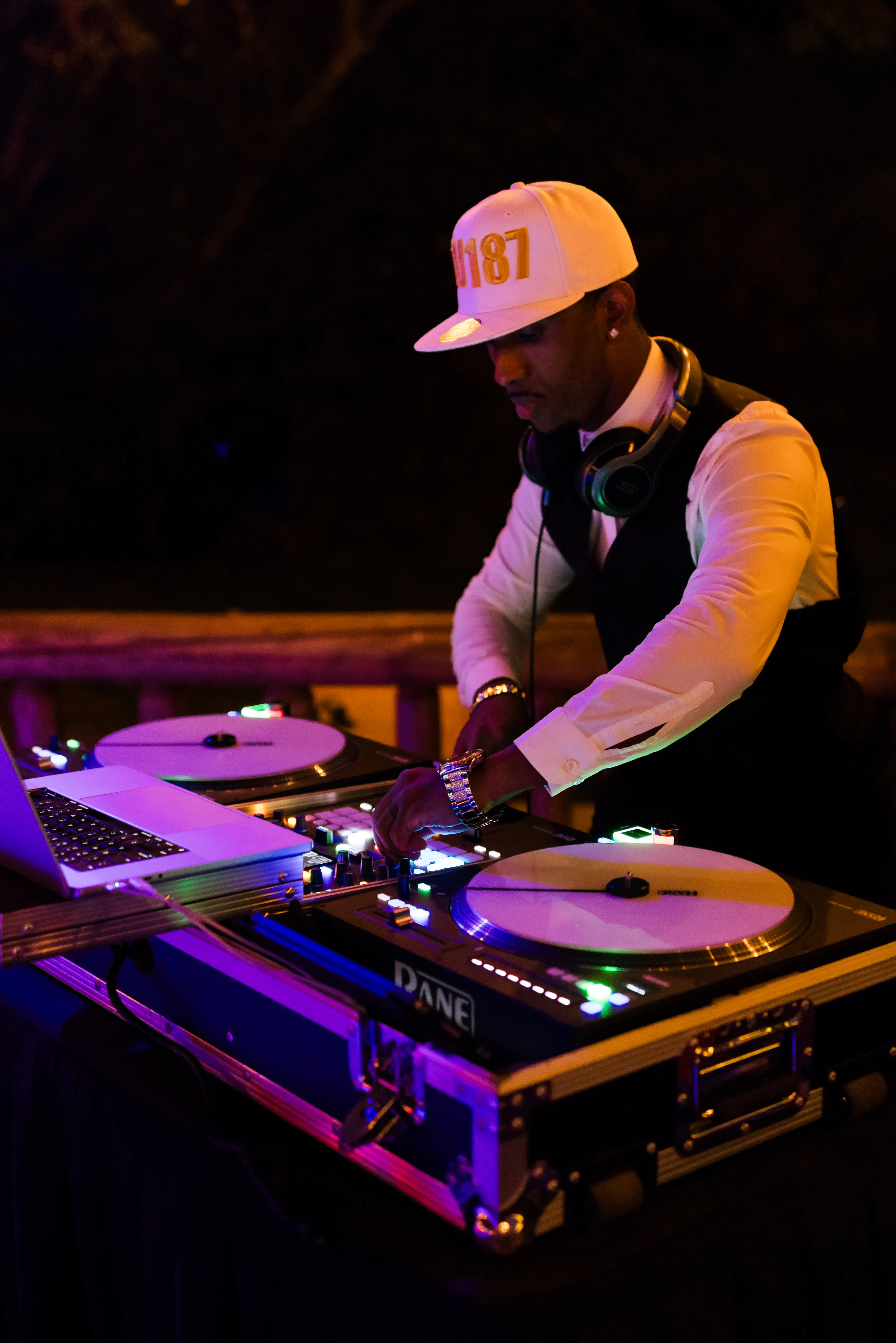
A professional wedding DJ brings expertise across music selection, pacing, volume management, equipment reliability, and real-time crowd reading that no playlist can replicate. They manage transitions between every phase of the day, ensure audio clarity for ceremony vows and reception speeches, and adjust in real time based on how guests are actually responding rather than following a static plan.
Music selection is only part of what a professional wedding DJ contributes. Equipment quality and reliability matter significantly for outdoor ceremonies where standard consumer gear fails. Backup plans for technical issues matter on a day where there is no second chance. The MC role during formal moments, including grand entrances, first dances, and introductions, shapes how polished the reception feels to every guest in the room.
Beyond the technical side, an experienced DJ brings venue-specific knowledge. How sound behaves differently in a barn versus a ballroom versus an outdoor vineyard, where to position speakers for even coverage, and how to manage the transition from ceremony audio to reception setup without dead air are all skills developed through repetition across different venue types.
At DJ Cutt Entertainment, our mission is to serve every couple with the kind of care and attention that makes their wedding feel completely personal and seamlessly produced. That mission runs through every decision from the first consultation through the last song of the night.
Look for experience with your specific venue type, ask to hear examples of their MC work rather than just their music, confirm what backup equipment they carry, and make sure the planning process includes a detailed consultation rather than just a song request form. Rates vary significantly in the Oregon and Washington market and generally reflect the level of experience and service depth.
Questions worth asking any DJ before booking include how many weddings they have worked at your specific venue, what their process is for building the reception timeline, how they handle requests that conflict with the couple's vision, and what happens if they have a personal emergency on the day of the event.
A DJ who asks thorough questions in return is a good sign. Questions about venue logistics, guest demographics, the couple's musical taste, which formal moments are planned, and what the couple hopes guests feel at the end of the night all indicate a DJ who is planning around your specific day rather than running a generic service.
Explore private event DJ services and corporate event DJ options to understand the full range of what DJ Cutt Entertainment provides across different event types.
Communicate your vision clearly and early, provide a prioritized must-play and do-not-play list rather than an exhaustive playlist, confirm the full timeline with your DJ at least two weeks before the wedding, and be genuinely open to their input on what will work best for the room.
The couples who have the best wedding music experiences tend to share three qualities. They communicate their musical identity clearly so the DJ understands the style they want, not just the specific songs. They give the DJ enough creative latitude to read the room and adjust rather than locking every moment to a rigid script. And they trust the process rather than micromanaging from the dance floor.
A good DJ will ask for your must-play songs, your absolute do-not-play songs, and your overall vibe. From there, the best approach is trusting that expertise to fill in the spaces. The goal is a reception that feels like it was built for you specifically, not one that feels like it was executed to a predetermined list.
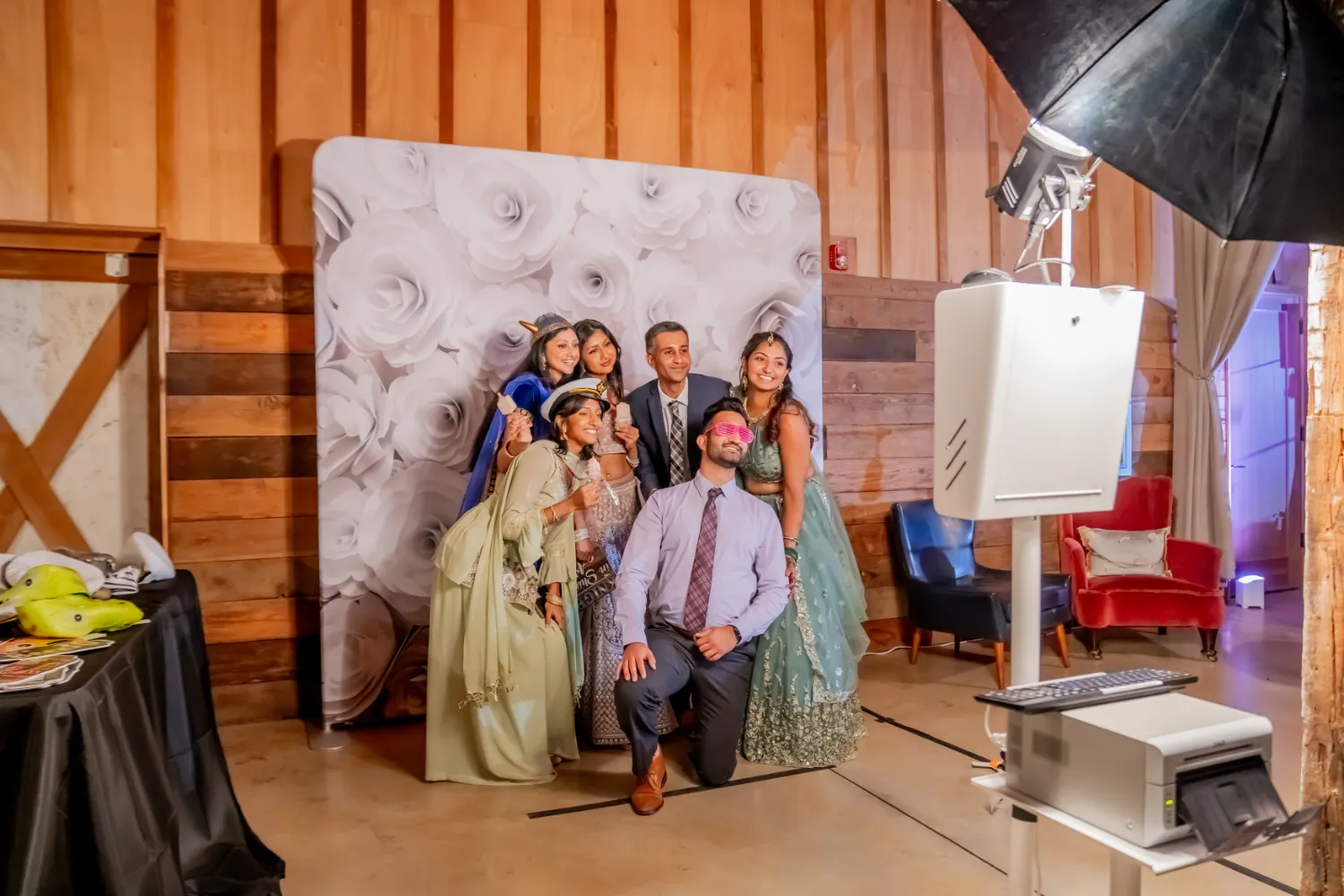
You can also enhance key moments like grand entrances and first dances with Cold Sparks, a Dancing on Clouds first dance, or a photo booth that gives guests an activity throughout the evening. Discussing these during the planning consultation ensures they are built into the timeline naturally rather than added at the last minute.
Choosing the perfect music for your wedding does not need to feel overwhelming. When you have a DJ who understands how each phase of the day connects and brings the experience to guide the music from ceremony through the last song, the whole planning process becomes much more manageable.
DJ Cutt Entertainment serves couples across Oregon and Washington with full wedding music planning, lighting design, and entertainment production. The goal is always the same: a day that feels personal, seamless, and genuinely yours.
Start Planning Your Wedding Music With DJ Cutt Entertainment Tell me your date, your venue, and the kind of atmosphere you want to create. We will build a music plan around your vision from the first ceremony cue through the last song of the night.
Not ready yet? Browse the photo gallery to see how different music styles and reception designs come together at real events, or explore school dance DJ services to see the full range of what we bring to different event types.
The best wedding dinner music feels present without being intrusive, allowing guests to hold comfortable conversations at a normal speaking volume while the room stays warm and alive. Good options include acoustic instrumental covers, jazz standards, classical pieces, ambient contemporary tracks, or any style that matches the wedding's overall tone without demanding listener attention. Volume control matters as much as song selection.
Each phase requires a different approach. Ceremony music should guide emotion at each transition, from guest seating through processional, bridal entrance, any special moments, and the recessional. Cocktail hour needs warm social background music that fills space without leading attention. Dinner music should be restrained and conversational. Reception music builds in layers from dinner through dancing, considering guest demographics across all age groups.
Wedding dinner music should be quiet enough that guests can hold comfortable conversations across a table without raising their voices. A general guideline is that the music should be audible but not a focal point. If guests have to compete with the music to be heard, the volume is too high regardless of the song choice.
Both can work well depending on budget, venue, and vision. A DJ offers broader music variety, more reliable volume control, the ability to blend across genres seamlessly, and generally lower cost than a live band. A live band provides a unique performance energy and visual presence. Many couples in Oregon and Washington choose a DJ for flexibility and a broader repertoire across all phases of the day.
At least 12 months in advance, ideally when you confirm the venue. Popular dates in Oregon and Washington fill quickly for experienced DJs, particularly in peak summer and early fall months. Booking early also allows more time for thorough music planning consultations rather than compressing everything into the weeks before the wedding.
A thorough wedding DJ consultation should cover your venue, guest count, ceremony audio needs, cocktail hour and dinner music style, all planned formal moments and their songs, dance floor style and guest demographics, must-play and do-not-play preferences, timeline structure, and any special effects or enhancements. A DJ who asks most of these questions is planning your wedding. One who skips them is just showing up.
All in one service
Ready to talk details? Click one of the buttons below. Dates fill quickly, so don't wait to secure premier wedding entertainment!
Click "Book With Us" to check availability for a specific date
Get a customized price quote for your event.
Portland's most experienced wedding entertainment team
DJ Cutt Entertainment has been voted Best Wedding DJ by WeddingWire and The Knot. With over 20 years of experience creating incredible wedding moments, we serve Portland, Hood River, Oregon Coast, and throughout the Pacific Northwest.

I’m Alex Ramey, owner of DJ Cut Entertainment, and for the past 15 years I’ve had the privilege of working in the wedding industry, helping couples create celebrations that feel personal, seamless, and unforgettable. Over the years, I’ve seen firsthand how the right entertainment, thoughtful planning, and experienced guidance can shape the entire wedding day experience. As a writer, my goal is to help clients and future brides make better buying decisions before their wedding day, so they can invest wisely and avoid common mistakes. Through these blogs, I share what I’ve learned from years of real wedding experience to give couples honest insight, practical advice, and the confidence to create a wedding that feels authentic, fun, and meaningful.
.webp)
.webp)
.webp)
.webp)
%20(1).webp)
.webp)
.webp)