
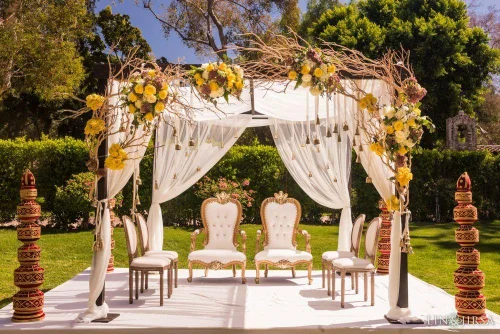
Planning a multicultural wedding in 2026 adds a layer of complexity but in the best possible way. You're not just choosing vendors and a timeline. You're bringing together histories, customs, music, languages, and family expectations from more than one background into a single day that still needs to feel personal and seamless. The couples who pull this off best are not the ones who try to do everything. They're the ones who make smart choices early, communicate clearly with their vendor team, and build a celebration where both families genuinely feel seen. Music is where culture shows up in real time at a wedding and getting it right is one of the things we think about most at DJ Cutt Entertainment.
A multicultural wedding brings together two different cultural, ethnic, or religious backgrounds into one celebration through ceremony traditions, attire, food, language, music, and family customs. In 2026, couples are leaning further into personalization and meaning-driven weddings, which makes multicultural celebrations one of the most powerful formats available.
Current wedding trend reporting points to a continued rise in hyper-personalization, global cuisine, interactive guest experiences, and selective use of tradition based on what genuinely matters to the couple rather than default wedding formulas. Multicultural weddings naturally invite couples to ask better questions about what matters to us, what should our guests experience, what traditions actually belong here and that makes them one of the most intentional types of celebrations possible.
At DJ Cutt Entertainment, we see this firsthand. The best multicultural weddings are not the ones that try to do everything. They are the ones that make smart choices, communicate clearly, and build a celebration where both families feel seen. Culture shows up in more than décor: it shows up in the music, the pacing, the way introductions are handled, whether grandparents understand what's happening, and whether the dance floor feels like home to everyone in the room.
Start with meaning, not logistics. Before booking vendors or building a timeline, have genuine conversations with your partner about which traditions actually matter most and which ones are more about family expectations than about you. That clarity prevents the wedding from becoming a patchwork of obligations and makes it intentional.
A useful exercise is creating three lists together before doing anything else. The first is must-have traditions moments that would feel like a real loss if they were missing. The second is nice-to-have traditions that matter but can be shortened, combined, or reworked. The third is optional nods to small ways to honor culture without requiring a significant piece of the timeline.
Questions worth asking before you get to logistics include which traditions feel non-negotiable, which parts are more for family expectations than for the two of you, whether there are religious elements that need special handling, and what you want guests to understand and remember. One conversation done well here saves significant stress later. Multicultural weddings can get crowded fast, more meaningful elements to fit in, more family input, more time-sensitive rituals, more emotional weight attached to certain moments. Doing this step first is what keeps the day from feeling like it's carrying too much.
Including traditions you understand is fundamentally different from checking boxes. When you know what each custom represents, you can explain it to vendors and guests, you feel more present during the ritual itself, and your vendor team can support the moment properly rather than guessing at what it requires.
This matters for the vendor team specifically. When the DJ, planner, photographer, and MC understand why a moment matters, not just that it's happening they can time it correctly, handle it with the right energy, and make sure it lands the way it's supposed to.
Different traditions carry entirely different requirements. Some are sacred and should not be rushed. Some are communal and invite guest participation. Some require silence or reverence while others are supposed to feel celebratory and loud. Some need specific songs, instruments, or spoken language cues. A DJ who understands the meaning behind the Baraat at an Indian wedding behaves very differently than one who just knows it's a procession. That difference is visible in the room and felt by both families.
Not every vendor who says we can do it truly understands what a multicultural wedding requires. Look for vendors who ask specific questions about your traditions, have prior experience with multi-cultural or multi-format events, and demonstrate flexibility in their planning process because multicultural weddings consistently require more communication and timeline awareness than standard single-format events.
When interviewing a DJ or MC, go deeper than pricing. Ask whether they've worked multicultural weddings before, how they handle multiple music styles in one night, whether they're comfortable with proper name pronunciation, and how they transition between cultural segments without making the evening feel disjointed. Ask about their process for coordinating with family members who may be helping preserve specific traditions.
Venues also need to be vetted specifically. Questions around open flame permissions for ceremonial fires, restrictions on outside food or specific service styles, noise limitations that could affect drumming or live musicians, and whether the space can support multiple ceremony setups or extended timelines all matter significantly. Start the vendor search early, finding the right team for a multicultural wedding often takes more time than couples expect, and the wrong team creates avoidable problems throughout the planning process.
Multicultural weddings consistently include elements that standard American wedding timelines were never designed to accommodate extended family greetings, multiple ceremonies or blessings, outfit changes, traditional dances, speeches in more than one language, and longer meal experiences. When couples try to fit all of this into a tight standard timeline, things start running behind almost immediately.
A practical rule: if a standard wedding timeline gives ten minutes for something important, a multicultural wedding may need twenty or thirty for the equivalent moment. That is not inefficiency, it is realism. Building in genuine buffer time at each transition is what keeps the day feeling relaxed rather than rushed.
In 2026, the broader wedding planning trend toward intentional design and custom event formats works in favor of multicultural couples. The expectation of rigid, one-size-fits-all wedding structure is already shifting, which means building a day around what actually matters to you has more acceptance and support than it might have had five years ago. Take advantage of that and give the timeline the room the day genuinely needs.
Both approaches can work beautifully; the right answer depends on the couple, the families, and how the day naturally flows. A fully blended ceremony and reception creates unity and fluidity. Distinct cultural sections give each tradition dedicated space. A hybrid approach, one culture more present in the ceremony, the other more expressed through music, toasts, food, and dancing at the reception is one of the most common and effective formats.
The goal is not symmetry for its own sake. The goal is a day that feels balanced, respectful, and true to both people in the marriage. Sometimes that means perfectly equal time for each tradition. Often it means being strategic about which moments belong where and which format serves each tradition best.
A blended ceremony works well when both families are flexible and the couple wants the whole day to feel unified. Distinct cultural sections work well when one or both families have strong ceremonial traditions that benefit from their own space. The hybrid approach works well when one side has deep ritual structure and the other's culture expresses itself more powerfully through celebration rather than ceremony. All three are legitimate; the planning conversation needs to start with which one actually fits your specific situation.
Language is one of the easiest ways for guests to feel either included or left out and it's frequently underplanned. Identifying the key moments where guests need context or translation, then adding bilingual programs, signage, MC announcements, or menu labels at those specific points, makes the day significantly more inclusive without requiring translation of every single word.
Moments where language access matters most include the ceremony program, MC announcements before major rituals, signage at food stations for culturally specific dishes, menu cards, and any toast or speech where guests from one background may not follow the language being used. Even simple additions make a real difference: a short printed explanation of a ceremony custom, bilingual welcome signage at the entrance, or a line in the program explaining important family roles before they happen.
From a DJ and MC standpoint, language planning directly affects how entertainment is managed. Pronunciation of names needs to be confirmed in advance. Announcements may need to be made in two languages. Transitions between cultural segments sometimes benefit from brief verbal context rather than just a music change. These details matter more when guests are relying on verbal cues to understand what's happening and getting them right is the difference between guests feeling included and guests feeling like they're watching something they don't have access to.
Music is culture in real time. It tells guests when something is sacred, when to watch, when to move, when to dance, and when they're being welcomed into a tradition they may not know. The biggest mistake couples make is treating multicultural music like a checklist of one song from each side rather than building a set that creates actual flow between styles and keeps both families engaged.
A thoughtful multicultural music strategy covers every phase of the day with intention. Ceremony music may include pieces tied to family, religion, or specific rituals. Cocktail hour is an opportunity to introduce sounds from both cultures in a relaxed way. The grand entrance may need to feel traditional, modern, formal, or high-energy depending on what that moment means. Dinner music can be cross-cultural and conversational. Open dancing needs to transition between genres and generational expectations without losing momentum on the floor.
Specialty moments: traditional dances, live drummers, choreographed family performances, or songs with significant cultural meaning — need dedicated placement in the timeline, not just a slot to be squeezed in. A packed dance floor at a multicultural wedding doesn't happen by accident. It happens because the entertainment team planned for the emotional rhythm of the room and built a set that creates genuine bridges rather than abrupt switches between styles.
At DJ Cutt Entertainment, this is one of the most important things we bring to multicultural weddings. Learn more about how we approach music planning on the About page.
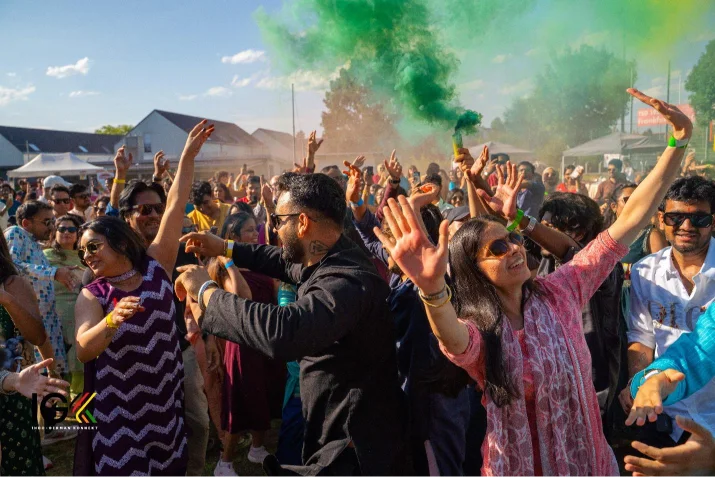
Religious and cultural sensitivities should shape planning from the very beginning not be addressed as exceptions after the core plan is in place. The questions to work through include attire modesty considerations, alcohol service timing or restrictions, foods to avoid for religious reasons, photography limitations around sacred items or rituals, and whether certain traditions should be kept more private or family-centered.
Vendors should not be left guessing on these details. You don't need to over-explain your culture to people who are experienced and respectful, but you do need to clearly communicate what matters, what's off-limits, and what needs extra care. A good vendor team will ask the right questions. A great vendor team will anticipate things you haven't thought to mention yet.
This also shapes entertainment decisions in specific ways. There may be songs, dance styles, or announcement formats that feel inappropriate in the context of a particular tradition. Certain sacred moments may need the DJ to go completely silent rather than bridge with music. Understanding these details is part of what separates a DJ who has genuinely worked multicultural events from one who is figuring it out for the first time.
Food at a multicultural wedding is more than catering it's identity. Whether through a fusion menu, separate cultural stations, or a thoughtfully labeled combination of both, food is one of the warmest and most inclusive ways to make every family feel seen and every guest feel welcomed into both cultures.
Current wedding trend reporting consistently highlights global cuisine, personalized food experiences, and guest-centered menu decisions as major priorities for 2026 couples. For multicultural weddings, the approach doesn't always mean literally blending two cuisines into one dish; sometimes the smarter move is simply making sure both cultures are clearly and generously represented.
Practical considerations include family-style versus plated service, vegetarian or halal or kosher needs, dessert traditions from both backgrounds, and late-night snack options that feel familiar to different parts of the guest list. Labeling dishes clearly and adding brief descriptions either in the menu, at a station, or through an MC mention — turns food into storytelling rather than just fuel.
Guests don't need a lecture but they genuinely appreciate context. Printed ceremony guides, short descriptions in the program, MC cues before major moments, tasteful signage, and a few sentences on the wedding website about key traditions are all low-effort additions that make a real difference in how comfortable and engaged guests feel throughout the day.
This is especially helpful when traditions involve audience participation, movement between spaces, dress expectations, or ceremonial etiquette that guests from one background may not recognize. A guest who knows what to expect is more relaxed, more engaged, and more genuinely celebratory than one who is spending their mental energy trying to figure out what's happening.
From a DJ and MC standpoint, this is a natural part of how we handle transitions between cultural segments a brief verbal frame before a significant moment, a gentle explanation before an unfamiliar dance, or simply the confidence to make an introduction that helps guests lean in rather than hold back.
Multicultural weddings often come with more family input, not less and that's not always a bad thing. It usually means the day carries real significance to people who love you. The key is having a clear framework: listen first, ask what the tradition means to them, decide together as a couple, communicate decisions clearly, and offer alternative ways to honor something if it can't fit in full.
Sometimes families mainly want reassurance that their culture is being respected. Once they feel heard, they often become more flexible than couples expect. Sometimes they don't. That's why the couple needs to stay genuinely aligned with each other throughout the planning process. If the two of you are not unified on decisions, planning becomes significantly harder and family dynamics fill the gap.
The framework is not about managing families it's about keeping the couple at the center of their own wedding while giving families genuine opportunities to feel seen. Those two things are not in conflict when the approach is honest and the communication is consistent.
A multicultural wedding done right doesn't just look good. It feels right. It feels like both of you. It feels like both families. It feels intentional and alive and exactly what the day was supposed to be.
If you're planning a multicultural wedding in 2026 and want a DJ team with real experience managing multi-cultural formats, multi-style music, and the kind of event flow that keeps every guest connected — let's talk.
Request a Quote for Your Multicultural Wedding Tell me your backgrounds, your traditions, and what you want guests to feel. I'll walk you through exactly how we approach multicultural celebrations and what a full entertainment plan looks like for your specific day.
Not ready yet? Learn more about how we approach weddings on the About page, or explore private event DJ services to understand the full range of what we bring to a celebration like this.
A multicultural wedding brings together two different cultural, ethnic, or religious backgrounds into one celebration through ceremony traditions, attire, food, language, music, and family customs. In 2026, multicultural weddings are increasingly prominent as couples prioritize personalization and authentic celebrations that reflect who they actually are rather than a standard wedding format.
Start by identifying which traditions matter most to each partner, then decide whether to blend them into one ceremony and reception or give each culture its own dedicated space in the timeline. Use music, food, signage, bilingual materials, and intentional vendor coordination to help the day feel cohesive. The goal is not equal time for each tradition, it's a day that feels balanced and true to both people.
A DJ working a multicultural wedding should know the key traditions and their meaning, proper pronunciation of names confirmed in advance, any religious or cultural sensitivities around music or announcements, the preferred balance of music styles across the day, whether MC announcements need to be bilingual, and how to transition between ceremonial and celebratory segments without the night feeling disjointed.
Build a music strategy that covers every phase of the day with intention ceremony pieces tied to specific rituals, cocktail hour that introduces sounds from both cultures, a dance floor set that transitions fluidly between styles and generational expectations. Avoid treating multicultural music like a checklist. A successful dance floor is built through planning the emotional rhythm of the room, not just alternating songs.
If you have guests who speak different primary languages, bilingual ceremony programs, MC announcements, menu labels, and signage make the day significantly more inclusive. You don't need to translate every word, identify the moments where guests most need context, and add language support there specifically.
The most common mistakes are trying to include too many traditions without prioritizing, building a timeline that doesn't account for extended rituals or outfit changes, not vetting vendors for actual multicultural experience, neglecting language accessibility for guests from different backgrounds, and treating music as a checklist rather than a cultural flow management strategy.
Current wedding trend reporting points to hyper-personalization, global cuisine, guest-centered experience design, selective use of meaningful traditions over default wedding formulas, and interactive moments that make guests feel like participants rather than observers. Multicultural weddings are naturally aligned with all of these trends, which makes 2026 an especially strong moment to lean into a fully personalized multi-cultural celebration.
All in one service
Ready to talk details? Click one of the buttons below. Dates fill quickly, so don't wait to secure premier wedding entertainment!
Click "Book With Us" to check availability for a specific date
Get a customized price quote for your event.
Portland's most experienced wedding entertainment team
DJ Cutt Entertainment has been voted Best Wedding DJ by WeddingWire and The Knot. With over 20 years of experience creating incredible wedding moments, we serve Portland, Hood River, Oregon Coast, and throughout the Pacific Northwest.

I’m Alex Ramey, owner of DJ Cut Entertainment, and for the past 15 years I’ve had the privilege of working in the wedding industry, helping couples create celebrations that feel personal, seamless, and unforgettable. Over the years, I’ve seen firsthand how the right entertainment, thoughtful planning, and experienced guidance can shape the entire wedding day experience. As a writer, my goal is to help clients and future brides make better buying decisions before their wedding day, so they can invest wisely and avoid common mistakes. Through these blogs, I share what I’ve learned from years of real wedding experience to give couples honest insight, practical advice, and the confidence to create a wedding that feels authentic, fun, and meaningful.
.webp)
.webp)
.webp)
.webp)
%20(1).webp)
.webp)
.webp)